

Ever thought about what happens if a parent ignores a court-ordered custody agreement? The effects of a custody violation are more serious than many think.
Child custody agreements are legally binding. They outline who gets to make decisions for the kids after a split. If one parent breaks the agreement, the law has ways to deal with it.
Breaking a custody agreement can lead to big legal problems. These problems affect not just the parents but the kids most of all. Courts take these actions very seriously. They might fine the parent or change who gets to make decisions for the kids.
Key Takeaways
- Custody violations can result in legal sanctions
- Courts prioritize the child’s best interests
- Documentation of violations is key
- Legal consequences may include fines and modified custody terms
- Repeated violations can significantly impact future custody decisions
Understanding Custody Agreements
Child custody can be tough for parents when they split up. A custody agreement is a key legal document. It sets out who gets to make decisions for the kids.
These agreements are key in family law. They help parents work together and keep the child safe.
What is a Custody Agreement?
A custody agreement is a court-approved document. It outlines how parents will share parenting duties. It covers who gets to make big decisions for the kids.
About 75% of custody cases are settled without going to court. This is often through talking things out with a mediator.
Types of Custody Arrangements
Parents can choose different custody setups based on their situation:
- Legal Custody: Shows who gets to make big decisions for the child
- Physical Custody: Tells where the child lives and visitation times
- Joint Custody: Means both parents share in making decisions and living with the child
- Sole Custody: Gives one parent all the rights and responsibilities
Studies show kids in joint custody do better emotionally. Knowing about these options helps parents in tough situations.
Creating a good custody agreement needs thought. It’s about what’s best for the child and what each parent can do. Getting help from a lawyer can make a big difference.
Common Violation Scenarios

Child custody can be tricky. Many situations might lead to legal trouble. Knowing these common problems helps parents avoid fights.
Missed Visitation Dates
Missing visitation times is a big issue. If parents often don’t show up, it can lead to serious legal actions. In New York, it’s seen as “contempt of court,” which can have big penalties.
- Consistent late arrivals or no-shows during visitation
- Unilateral changes to established visitation schedules
- Refusal to return the child after scheduled time
Unauthorized Travel with the Child
Taking a child on a trip without permission is a big no-no. Parents need to get okay before taking kids out of state or country. Without permission, it can cause big legal problems.
Changes in Residence Without Notification
Moving without telling the other parent is a big mistake. Courts want parents to talk openly about big changes that might affect custody. Not telling can lead to quick legal action.
| Violation Type | Potential Consequences |
|---|---|
| Missed Visitation | Fines, Modified Custody Rights |
| Unauthorized Travel | Legal Sanctions, Possible Custody Changes |
| Unreported Relocation | Court Penalties, Enforcement Actions |
Parents should always talk clearly and follow custody plans. This helps keep their kids safe and their rights protected.
Legal Consequences of Violating Custody Agreements
Breaking parenting rights can lead to big legal problems. Courts really care about enforcing custody orders. They know how important it is for kids.
Potential Court Sanctions
If a parent breaks a child custody rule, courts have many ways to punish them:
- Monetary fines ranging from $500 to $5,000
- Contempt of court charges
- Potential jail time for repeated violations
- Mandatory parenting classes
Modifications to Custody Arrangements
Breaking custody rules can change the agreement a lot. About 60% of changes happen because of not following the rules.
- Reduced visitation rights
- Supervised visitation requirements
- Potential loss of custody
- Transfer of primary custody to the compliant parent
Financial Implications
Legal costs for breaking custody rules can be very high. Parents might have to:
- Pay the other parent’s legal expenses
- Cover court-ordered mediation costs
- Face wage garnishment
- Potentially lose professional licenses
Courts always put the kids first. That’s why following custody agreements is so important for keeping rights.
Steps to Take if a Violation Occurs
Dealing with a custody violation is tough for parents. About 25% of kids see their parents split up. It’s key to know the right steps to protect your rights and keep your child safe.
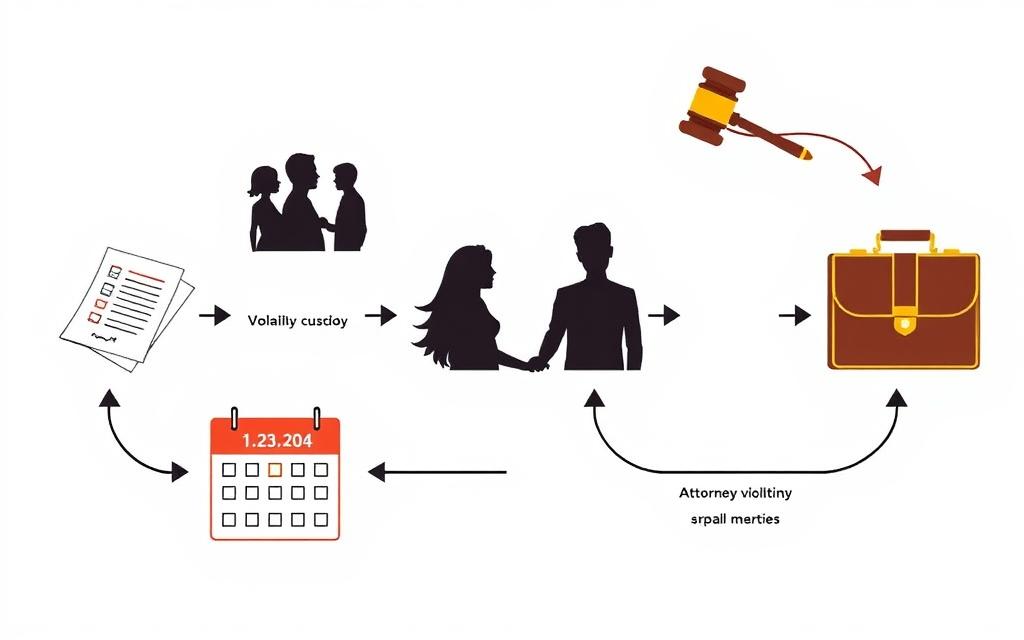
When a custody agreement is broken, parents need to act wisely and keep records:
- Document Every Violation
- Write down when visitations are missed
- Keep a log of all talks
- Save texts and emails as proof
- Communicate Professionally
- Send written notices about the violations
- Stay calm and just state the facts
- Ask for them to follow the rules right away
Consulting a Family Law Attorney
Legal experts are very important in custody cases. About 25% of parents who face violations go to court. A good lawyer can:
- Explain your legal choices
- Help you gather the right papers
- Speak up for you in court
Having a lawyer can make you 50% more likely to win in custody disputes. Getting a lawyer early can stop problems and keep your rights safe.
Potential Legal Actions
There are different legal steps based on the violation:
- Motion for Contempt: Taking serious action in court for repeated breaks
- Custody Modification: Asking to change the current agreement
- Enforcement Proceedings: Getting the court to make someone follow the rules
About 70% of parents don’t get what their custody agreement says. So, clear talk and legal advice are very important in solving these issues.
Mediation as a Resolution Option
Dealing with a custody dispute can be tough for families. Mediation is a good way to solve these problems without going to court. It lets parents work together to find solutions.

Benefits of Mediation in Family Law
Mediation has many good points for handling custody issues:
- Reduces emotional stress for children
- Minimizes legal expenses
- Allows parents to maintain control over decision-making
- Preserves co-parenting relationships
Understanding the Mediation Process
In mediation, a neutral third-party helps parents talk. They work together to find solutions they both agree on.
| Mediation Stage | Key Actions | Potential Outcomes |
|---|---|---|
| Initial Consultation | Assess conflict areas | Identify primary concerns |
| Negotiation Sessions | Discuss child’s best interests | Draft possible agreements |
| Final Agreement | Review and finalize terms | Create legally binding document |
About 40% of custody issues can be solved through mediation. Parents who talk directly have a 60% chance of solving custody problems peacefully.
Legal Considerations in Mediation
Mediation agreements can be made by a court, making them enforceable right away. Breaking such an agreement can lead to legal trouble, including court actions and fines. Lawyers suggest keeping detailed records for legal support.
The Role of the Court in Custody Disputes
Family courts are very important in solving child custody problems. If parents can’t agree, the court steps in to protect the child.
Courts look at many things to decide what to do. They want to keep the child safe and help parents stay connected.
How Courts Handle Custody Violations
When a custody problem happens, courts follow a set of steps:
- They look at all the evidence of the problem
- They check how serious and often it happens
- They think about how it affects the child
- They figure out the best legal action
Enforcement Mechanisms for Custody Agreements
Courts have ways to enforce custody rules:
- Warning notices for small problems
- Forcing parents to talk it out
- Changing custody rules
- Charging money
- Reducing custody rights
Chapter 53 of the Child Custody Act helps courts make sure rules are followed. The main goal is to keep the child safe and happy.
If you might go to court for a custody issue, keep records. Also, talk to a lawyer to know your rights and what might happen.
Impact on Child Custody Evaluations
Child custody issues can deeply affect a family. Courts look closely at a parent’s past actions. They decide custody based on how well a parent follows the rules.
- How well they follow the custody order
- How often and how badly they break the rules
- How it affects the child’s feelings
- If they are willing to work together
How Violations Influence Future Custody Assessments
One mistake might not change custody much. But, many mistakes show a parent can’t work well with the other parent. California courts always think about what’s best for the child.
This means if a parent keeps breaking the rules, they might:
- Get less time with the child
- Have to take parenting classes
- See the child only with a supervisor
- Even lose their right to see the child
Guardian Ad Litem’s Critical Role
A guardian ad litem helps the child in custody fights. They check if a parent broke the rules and how it affects the child. They then tell the court what they found.
So, courts see custody agreements as very important. If a parent keeps breaking the rules, it can hurt their chances to see the child in the future.
Recommendations for Parents
Handling a child custody agreement needs patience, talking, and caring for your child. Good co-parenting means knowing family law and working together.
Best Practices for Compliance
Following a custody agreement takes focus and smart steps. Here are key tips:
- Keep records of talks and texts with your co-parent
- Use online tools to keep up with schedules and handovers
- Keep your child’s routine steady and easy to follow
- Stick to visitation times as the court says
Open Communication with Co-Parents
Talking well is key to good custody plans. Talk with respect and think of your child first. Clear and kind talks can stop fights and help your child feel safe.
About 60% of parents solve custody issues by talking and mediating. Focus on your child’s feelings and work together. This makes dealing with family law easier.
Being consistent with your agreement shows you care about your child’s peace. This can help in future legal matters.
Seeking Modification of Custody Agreements
Custody agreements can change as family situations change. Parents might need to ask for a change in custody if big life changes affect their kids.
It’s important for parents to know when and how to ask for a custody change. About 50% of parents face big changes that make them want to change their custody plans.
When to Consider Modifications
- Significant changes in parent’s living situation
- Child’s evolving educational or health needs
- Relocation of a parent
- Changes in employment or work schedule
- Child’s expressed preference (for children 12 and older)
The Process of Seeking Custody Changes
To start a court action for custody change, you need to prepare well. Here are the main steps:
- Gather evidence supporting the modification request
- File a formal petition with the local family court
- Provide documentation demonstrating changed circumstances
- Participate in possible mediation or court hearings
Courts focus on the best interests of the child in about 90% of cases. Only 15% of changes are agreed on without going to court.
Important Considerations
Not all changes mean you can ask for a custody change. The court needs strong evidence that the change will help the child. They look at things like how good a parent you are, your money situation, and how the child feels.
The Importance of Legal Representation
Going through child custody legal issues is hard and emotional. Having a lawyer is key to protect your rights and get the best results for your family.
Finding the right family law attorney is very important. Studies show that having a lawyer can make your chances of winning up to 50% better.
Finding a Qualified Family Law Attorney
When looking for a lawyer for custody cases, think about these things:
- Do they specialize in family law?
- Do they have experience with child custody cases?
- Have they won many cases?
- Do they know the local courts well?
- Are they good at talking and responding quickly?
How an Attorney Can Help
A good family law attorney can help a lot in custody cases:
- They can write legal papers correctly.
- They can help make fair custody plans.
- They can speak for you in court.
- They can explain hard legal rules.
- They can plan your legal strategy.
| Service | Benefit |
|---|---|
| Legal Consultation | Learn about your rights and possible results |
| Document Preparation | Make sure legal papers are right and complete |
| Court Representation | Get professional help and a good plan in court |
Choosing good legal help can save time, lessen stress, and boost your chances of winning custody.
Resources and Support for Parents
Child custody disputes can be tough for families. Knowing what resources are out there can help a lot. Parents dealing with custody issues have many places to turn for help.
Special counseling helps co-parents talk better. About half of marriages end in divorce. So, getting help from experts is key to keeping things calm.
Local bar groups and online sites give great info on solving custody disputes. They help parents understand their rights and duties.
Support groups for child custody issues offer emotional help and advice. In Ohio, Indiana, and Texas, there are workshops for parents. They teach about custody laws and what parents need to do.
Online sites like LegalMatch help find family law lawyers fast. They want to help parents know their rights and get through tough times.
Counseling Services for Co-Parents
Professional counseling teaches parents how to talk better and share parenting duties. Therapists are trained to help families deal with custody issues.
Legal Resources for Custody Disputes
There are many legal resources for parents in custody disputes. You can find online databases, local bar groups, and family law attorney networks. They offer advice and help.







Leave a Reply