


Could your quest for free treasures land you in legal trouble? Many assume rummaging through discarded items is harmless, but the rules aren’t always straightforward. This practice, once a last-resort survival method, now attracts eco-conscious individuals aiming to reduce waste. Yet, even well-intentioned actions can clash with local regulations.
Ohio generally permits salvaging items from trash bins, but property rights and safety concerns create gray areas. Trespassing on private land or damaging containers shifts the activity from legal to problematic. Municipal codes also vary—what’s allowed in Cleveland might face restrictions in Cincinnati.
Environmental benefits like reducing landfill waste often clash with risks such as contaminated materials or fines. Legal experts emphasize checking city-specific ordinances before diving into bins. Staying informed helps avoid unexpected consequences while supporting sustainability goals.
Key Takeaways
- Legality often depends on location and property ownership.
- Trespassing violations can occur even if bins are accessible.
- Reusing discarded items supports eco-friendly initiatives.
- Health hazards from broken glass or chemicals remain a concern.
- Local laws may override state-level permissions.
Introduction to Dumpster Diving in Ohio
What began as a necessity during economic downturns has evolved into a movement reshaping how communities view waste. Salvaging discarded items from commercial or residential containers offers unexpected rewards, from functional furniture to unopened electronics. Modern practitioners balance thriftiness with environmental awareness, turning overlooked trash into valuable resources.
Overview of Dumpster Diving
This practice involves retrieving items abandoned in trash receptacles, often before they reach landfills. Originally tied to survival strategies, it now attracts entrepreneurs and eco-advocates alike. Urban areas see higher activity due to concentrated waste streams from businesses and apartments.
Common finds include:
| Era | Primary Purpose | Typical Discoveries |
|---|---|---|
| 1980s-2000s | Basic Necessities | Clothing, Non-Perishable Food |
| Present Day | Sustainability & Profit | Electronics, Furniture, Brand-New Goods |
Relevance in Today’s Society
Cultural shifts toward minimalism and zero-waste lifestyles have revived interest in this activity. Social media platforms showcase success stories, inspiring others to explore curbside treasures. However, municipal regulations vary widely, requiring thorough research before participation.
Local ordinances often dictate where and how salvaging can occur. For example, some cities prohibit rummaging through bins marked for recycling. Understanding these rules helps avoid conflicts while supporting broader sustainability goals.
The Rise of Dumpster Diving: Trends and Popularity
Urban centers across America now see growing communities transforming waste recovery into both environmental activism and creative expression. This movement combines practical resourcefulness with conscious efforts to combat excessive consumerism.

Emergence as an Eco-Friendly Practice
Modern salvagers divert over 150 tons of reusable materials from landfills annually in major cities, according to recent sustainability reports. Many participants cite reducing carbon footprints as their primary motivation, repurposing items like:
| Demographic | Common Motivations | Frequently Recovered Items |
|---|---|---|
| Millennials | Environmental impact reduction | Furniture, electronics |
| Gen Z | Anti-consumerism values | Clothing, art supplies |
| Small Businesses | Cost-effective inventory sourcing | Retail packaging, display materials |
Cultural Shifts and Urban Trends
Metropolitan areas report a 40% increase in organized waste recovery groups since 2020. Social media platforms amplify this trend, with TikTok tutorials about safe salvaging techniques gaining millions of views. Urban planners note that dense populations and commercial waste streams create ideal conditions for this practice.
Community swap events featuring recovered items now occur monthly in cities like Columbus and Cleveland. These gatherings blend practicality with social consciousness, attracting diverse crowds seeking sustainable alternatives to traditional shopping.
is dumpster diving illegal in ohio: Understanding State Laws
Navigating Ohio’s regulations requires understanding both state statutes and neighborhood rules. While no statewide ban exists, property owners retain control over trash once placed in containers. Trespassing charges apply if bins sit on private land, even if unlocked.
Overview of Ohio Laws and Regulations
State courts generally treat discarded items as public domain unless local codes say otherwise. However, damaging containers or leaving debris can lead to vandalism charges. Penalties include fines up to $2,500 and 30-day jail sentences in extreme cases.
| Violation Type | Potential Consequences | Common Municipal Responses |
|---|---|---|
| Trespassing | $500-$1,000 fine | Warning notices |
| Container Damage | $1,500-$2,500 fine | Civil lawsuits |
| Public Nuisance | Community service | Cleanup orders |
Local Ordinances and Restrictions
Cleveland allows salvaging from commercial bins during business hours, while Cincinnati restricts nighttime activity. Dayton requires written permission for accessing receptacles behind fences. Always check city websites for updated codes before exploring discarded materials.
Business districts often enforce stricter rules than residential areas. Apartment complexes may prohibit rummaging through shared waste units. When in doubt, assume containers on private property require explicit owner consent.
Legal Guidelines and Restrictions for Dumpster Diving
Navigating the legal landscape of salvaging discarded items requires awareness of property boundaries and local codes. Always assume containers on private land are off-limits unless explicitly permitted. Public spaces like parking lots or sidewalks often host bins, but accessibility doesn’t guarantee legal access.
Respecting Private and Residential Properties
Property lines dictate where salvaging becomes trespassing. Commercial dumpsters near alleys might seem public, but businesses typically own these areas. Residential complexes often post clear “No Trespassing” signs near waste collection points.
Key locations to avoid:
- Gated communities or fenced properties
- Bins marked “Private Property Only”
- Apartment complex waste rooms
Avoiding Trespassing and Vandalism
Damaging containers or leaving scattered debris can trigger vandalism charges. Ohio courts impose fines up to $2,500 for container destruction. First-time offenders often receive cleanup orders or community service.
| Violation | Penalty Range | Common Enforcement |
|---|---|---|
| Unauthorized Entry | $300-$1,000 | Written citations |
| Littering | $150-$500 | Environmental fines |
| Property Damage | $750-$2,500 | Civil claims |
Best practices for compliance:
- Verify container locations using municipal maps
- Restore areas to original condition after searching
- Carry gloves and tools to handle materials safely
Potential Risks and Safety Concerns of Dumpster Diving
While salvaging discarded items offers rewards, hidden dangers demand attention. Sharp objects, toxic substances, and unstable trash piles create hazards even for experienced practitioners. Proper preparation minimizes these risks.

Health Hazards and Bacterial Risks
Discarded materials often carry harmful bacteria like E. coli or Salmonella. Rotting food and medical waste increase contamination risks. Broken glass or rusty metal can cause cuts requiring tetanus shots.
Common threats include:
- Mold spores from damp textiles
- Chemical leaks from damaged containers
- Needles hidden under loose debris
Injury Prevention and Best Practices
Protective gear reduces exposure to hazards. Thick gloves prevent cuts, while steel-toe boots guard against falling objects. Always carry a flashlight for nighttime visibility.
| Safety Gear | Purpose | Recommended Brands |
|---|---|---|
| Cut-resistant gloves | Hand protection | HexArmor, Mechanix |
| N95 mask | Airborne particles | 3M, Honeywell |
| Reflective vest | Visibility | Pyramex, Ergodyne |
Check local regulations on dumpster diving before exploring new areas. Update tetanus vaccinations every 10 years, especially when handling metal scraps. Never reach blindly into compacted trash without inspecting it first.
Economic and Environmental Benefits of Dumpster Diving
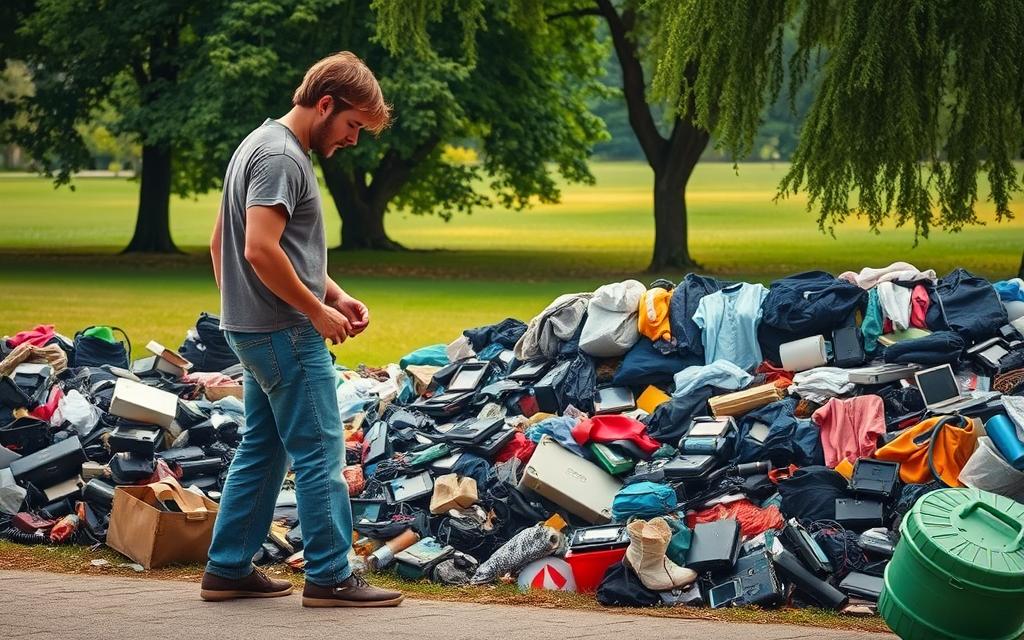
Transforming trash into treasure isn’t just a clever slogan—it’s making real impacts across American communities. Every year, salvaged materials prevent millions of tons of waste from choking landfills while creating unexpected financial opportunities.
Contributing to Waste Reduction
Reclaiming usable items from trash streams cuts landfill contributions significantly. Studies show urban areas practicing material recovery divert over 1.3 million tons of reusable goods annually. This directly reduces methane emissions and soil contamination caused by decomposing waste.
Financial advantages emerge when salvaged items become resale inventory or personal resources. A Portland-based startup turned discarded retail displays into profitable pop-up shop fixtures, saving $12,000 in initial setup costs. Families frequently find lightly used appliances, reducing household expenses by hundreds yearly.
| City | Annual Waste Diverted | Key Initiatives |
|---|---|---|
| Austin, TX | 420 tons | Community repair workshops |
| Portland, OR | 680 tons | Business upcycling partnerships |
| Minneapolis, MN | 310 tons | Neighborhood swap networks |
Creative reuse sparks innovation—artists transform scrap metal into sculptures, while chefs preserve surplus groceries. These efforts challenge throwaway culture by proving value exists where others see waste. Cities with active recovery programs report 18% fewer trash-related complaints compared to areas without organized efforts.
This practice encourages mindful consumption patterns. When people witness usable items in bins, they often reconsider purchasing habits. Environmental groups note increased participation in recycling programs near active salvaging zones, creating ripple effects beyond individual actions.
Debunking Common Dumpster Diving Myths
Myths about scavenging discarded goods persist despite changing cultural attitudes. Let’s separate fiction from fact using insights from urban planners and legal experts.
Myth Versus Reality
Myth: This activity only attracts those facing financial hardship. Reality: Over 60% of modern practitioners identify as eco-conscious individuals or small business owners, according to a 2023 sustainability survey. Common misconceptions include:
- “It’s always trespassing” → Many commercial bins sit on public easements
- “All discarded items are contaminated” → Retailers often discard sealed products during overstock clearance
- “Participation indicates desperation” → Artists and DIY enthusiasts frequently source materials this way
Expert Opinions and Legal Perspectives
Environmental lawyer Jessica Marlow notes: “Municipal codes increasingly recognize salvage rights when no property damage occurs.” Urban waste management reports show cities with clear guidelines experience 75% fewer disputes than those without.
Safety remains paramount—always wear protective gear and verify local rules. When conducted responsibly, this practice supports circular economies while challenging wasteful consumer habits.
Conclusion
Reclaiming discarded items walks a fine line between resourcefulness and legal risk. While Ohio permits salvaging from public bins, property lines and municipal codes dictate what’s permissible. Always verify location-specific rules—urban areas like Columbus may enforce stricter guidelines than rural zones.
Safety and legality go hand in hand. Protective gear minimizes health hazards, while respecting “No Trespassing” signs avoids fines. Environmental benefits shine when materials find new purposes instead of landfills.
Balancing curiosity with caution ensures positive outcomes. Research local ordinances, prioritize public spaces, and leave areas undisturbed. Responsible practices turn overlooked items into opportunities without crossing legal boundaries.
Final takeaway? Knowledge and preparation transform this activity into a sustainable win-win. Stay informed, stay safe, and let discarded treasures fuel both creativity and eco-conscious living.





Leave a Reply