


Are you looking for a kinder way to end a marriage? Divorce mediation is a peaceful method. It keeps your dignity and lessens emotional pain.
The divorce mediation process is a step-by-step guide. It helps couples solve problems together, not against each other. This way, you avoid the stress of court battles.
Mediation is a private, willing choice. A neutral mediator helps you talk about important issues. This way, you can find solutions that work for both sides.
Key Takeaways
- Mediation offers a cooperative alternative to traditional divorce litigation
- Reduces emotional stress and financial costs of divorce proceedings
- Provides greater control over final settlement outcomes
- Maintains privacy and confidentiality throughout the process
- Supports healthier post-divorce relationships, even with kids
Introduction to Divorce Mediation
Divorce is hard and complex. Mediation is a way to solve problems together. It helps couples find a better way to move on.
Mediation is a choice where couples work together. They make big decisions with a neutral person’s help. It’s different from fighting in court because it’s about working together.
Understanding Mediation
Mediation is simple:
- A neutral person helps talk things out.
- Couples make decisions together.
- Talks are private and safe.
- Solutions fit each person’s needs.
Benefits of Choosing Mediation
Mediation has many good points:
- It’s cheaper than going to court.
- It’s faster to get things settled.
- It’s less stressful.
- Couples have more say in what happens.
- It helps with talking after the divorce.
Comparing Mediation to Litigation
Mediation is different from fighting in court. It’s about solving problems together. Couples can talk about things like money, kids, and property in a respectful way.
Getting help from experts is important. Lawyers and financial advisors can make sure mediation is fair and complete.
The Role of a Divorce Mediator
Divorce mediation needs a skilled person. They help couples talk through tough feelings and find solutions. This role is key in making sure both sides can agree.
Mediators have special skills for tough talks. They aim to create a space where both can share their needs and worries.
Professional Qualifications
Good mediators have special training. They know a lot about:
- Family law
- How to solve conflicts
- Mental health
- Talking well
- Understanding emotions
Core Responsibilities
Mediators do important things during the divorce process:
- They help talks go well
- Stay neutral
- Make sure both sides are heard
- Guide the mediation steps
- Find things both sides can agree on
Mediators don’t decide for couples. They help couples find solutions together.
Their work makes things less stressful. It saves money and helps kids during tough times.
Preparing for Mediation
Getting ready for divorce mediation takes careful planning. It’s important to do your homework and know what you want. This way, you can find a solution that works for both sides.
Before you start, gather all the important papers. Make a checklist for your divorce mediation. This helps keep things organized and makes sure you don’t forget anything.
Essential Documents for Mediation
- Financial statements
- Tax returns for the past three years
- Bank account statements
- Investment and retirement account records
- Property ownership documents
- Debt information
- Insurance policies
Setting Clear Mediation Goals
Having clear goals makes mediation better. Focus on what’s most important to you. Be ready to talk about your goals during the session.
- Identify your primary concerns
- Determine non-negotiable items
- Consider possible compromises
- Be open to finding solutions
- Get ready for emotional talks
Having a lawyer help with mediation is a good idea. They can explain your rights and check agreements. They make sure your needs are looked after.
Good preparation is the key to a good mediation. Organize your papers, set clear goals, and work together. This way, you’re more likely to find a fair solution.
The Initial Mediation Meeting
Starting the divorce mediation process begins with a key first meeting. This meeting is the start of respectful talks. Knowing what to expect can make you feel less nervous and ready to work together.

The first session is a big introduction to how mediation works. You’ll be in a calm place where you can talk openly.
What to Expect During This Session
In the first meeting, you’ll see a few important things:
- Introductory talks with the mediator
- How the mediation process works
- What each person sees as the biggest challenges
- What the main issues are
Discussing Ground Rules
Setting clear rules is key for good mediation. The mediator will help make rules for talking that are respectful and helpful. These rules usually include:
- Talking honestly
- Respecting each other’s views
- Listening well
- Not interrupting or attacking each other
This first meeting changes the mediation into a team effort. Both sides start to see each other as partners in finding good solutions.
Communication During Mediation
Good communication is key in divorce mediation. It helps couples talk through tough feelings and find solutions they both like.
Active Listening Techniques
Listening well is very important in divorce talks. It means really paying attention to what your spouse says. You should not interrupt or get ready to defend yourself.
Some good listening skills are:
- Maintaining eye contact
- Reflecting back what you’ve heard
- Asking clarifying questions
- Avoiding judgment or criticism
Expressing Needs Effectively
Being clear when you talk is very important in mediation. I-statements are good for sharing how you feel and what you need. They help avoid more fights.
For example, say “I feel frustrated when my perspective isn’t considered” instead of “You always ignore my concerns.”
Mediation tips include:
- Using calm, neutral language
- Focusing on specific behaviors
- Expressing emotions without blame
- Remaining open to compromise
Using these tips can make tough talks easier. It helps couples work together to find a better way to end their marriage.
Identifying Key Issues
Going through a divorce settlement mediation needs a smart plan. Couples face tough emotional and legal issues. They must think carefully and find good solutions.
Success in divorce mediation comes from tackling big concerns. These include:
- Child custody mediation
- Property division mediation
- Financial support arrangements
- Parenting time schedules
- Asset distribution
Common Issues in Divorce Negotiations
Mediation helps couples deal with tough topics. Child custody is often the most emotional part. It needs good talking and sharing.
Prioritizing Critical Concerns
Good mediation starts with a plan. Couples should tackle easy topics first. This builds trust and helps talks go well.
Breaking down big issues helps too. For example, dividing property needs careful money talks. It’s about being fair to both sides.
- Start with less contentious issues
- Maintain open and respectful communication
- Be prepared to compromise
- Focus on long-term solutions
With a smart and caring approach, couples can handle tough talks. They can find agreements that work for both.
Creating a Collaborative Environment
Divorce mediation is a peaceful way to end a marriage. It turns fights into talks. This method is a good choice instead of fighting in court.
To succeed in mediation, respect and understanding are key. Both sides must talk openly and honestly.
Building Trust Between Parties
Trust is the base of good mediation. To build trust, couples can:
- Listen well
- Show their true feelings
- Be kind in their words
- Work together towards goals
Encouraging Open Dialogue
Talking openly helps couples deal with tough feelings. Good ways to communicate include:
- Talking without fighting
- Sharing feelings without blaming
- Understanding each other’s views
- Focusing on finding solutions
| Communication Strategy | Benefit |
|---|---|
| Active Listening | Reduces misunderstandings |
| Empathetic Response | Builds emotional connection |
| Collaborative Problem-Solving | Creates solutions both can agree on |
Mediation turns fights into chances to work together. It helps make better relationships after divorce.
Exploring Solutions
Divorce mediation is a special way to solve problems. It’s different from fighting in court. Couples learn to work together instead of against each other.

Mediation is all about finding new ways to solve problems. Couples come up with creative solutions together. This helps them take charge of their divorce, moving away from fighting.
Brainstorming Possible Solutions
Good brainstorming in mediation means a few things:
- Find out what each person really needs and wants
- Think of many possible solutions without judging
- Talk openly and honestly
- Think about how each solution might affect the future
Evaluating Options Together
Couples learn to look at solutions together. This means:
- Looking at each solution without bias
- Talking about the good and bad of each
- Finding solutions that meet both needs
- Being open to changing plans if needed
The best mediation results come when both sides are creative, understanding, and want to find common ground.
Drafting the Mediation Agreement
Making a detailed spouse mediation agreement is a big step in getting a divorce. It makes the deals you made into a law that keeps both sides safe.
Creating this agreement needs a lot of focus and clear talk. You and your partner work with a mediator. Together, you make a document that covers all important parts of your split.
Key Elements of the Agreement
A good divorce mediation checklist has a few key parts:
- Asset and property division
- Child custody arrangements
- Spousal support details
- Financial responsibilities
- Future communication protocols
Ensuring Clarity and Mutual Understanding
Writing a good mediation agreement means being clear and specific. Every part must be easy to understand. This helps avoid any confusion later on.
| Agreement Section | Key Considerations |
|---|---|
| Property Division | Detailed inventory of shared and individual assets |
| Child Custody | Specific schedules, decision-making responsibilities |
| Financial Support | Precise payment terms, duration, adjustment conditions |
Professional mediators say it’s smart to have a lawyer check the agreement. This makes sure it’s fair and follows the law. This extra step helps protect both sides.
The final agreement is like a guide for what happens after the divorce. It helps avoid fights and shows a clear way for both people to move forward.
Legal Review of the Agreement
The divorce mediation process step by step reaches a critical phase when legal counsel reviews the proposed agreement. This stage ensures that both parties’ rights are protected and the settlement meets legal standards.
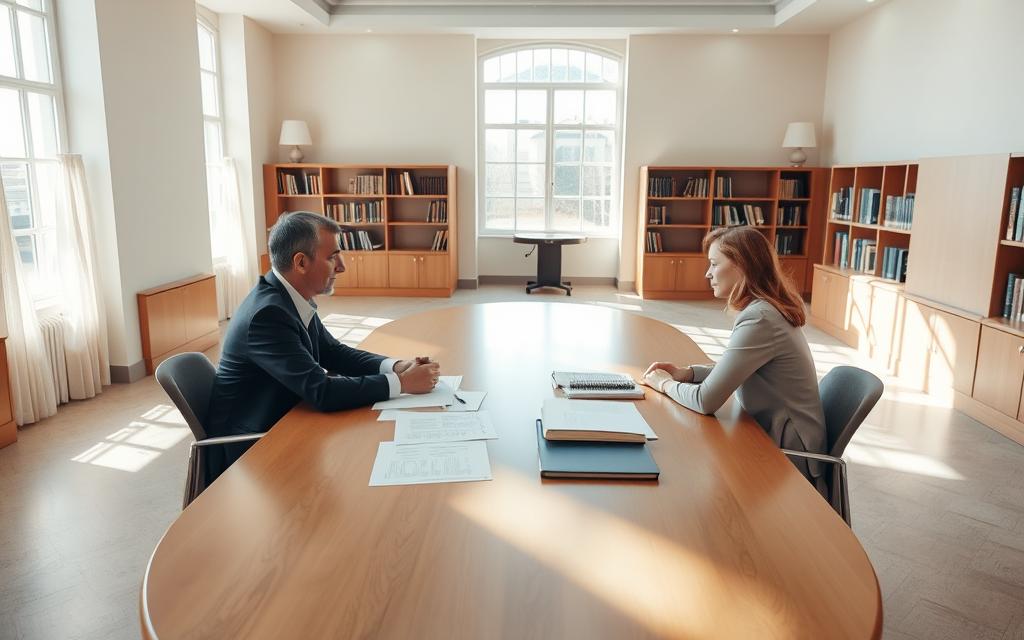
Navigating the mediation process with lawyers requires careful attention to detail. While mediation aims to avoid court battles, professional legal review remains a key safeguard for both parties.
Importance of Independent Legal Counsel
Independent legal advice provides essential protection during divorce without court proceedings. Attorneys offer valuable insights that might be overlooked during mediation:
- Verify legal compliance with state regulations
- Identify possible future legal complications
- Ensure fair distribution of assets
- Protect individual rights and interests
What Lawyers Examine in the Agreement
Legal professionals conduct a thorough review focusing on key elements:
| Review Area | Key Considerations |
|---|---|
| Financial Provisions | Asset division, alimony, child support calculations |
| Child-Related Matters | Custody arrangements, visitation schedules |
| Legal Terminology | Clarity, precision, possible ambiguities |
Legal review turns a collaborative mediation agreement into a strong, enforceable document that protects both parties’ interests.
Finalizing the Agreement
Getting to the end of divorce settlement mediation needs careful work. You must pay close attention to every detail. This is how you turn your agreement into a legal document that protects both sides.
Finishing the mediation agreement legal process has many important steps. These steps help make sure everything goes smoothly and works well for a long time.
Implementation Steps
- Review the draft agreement with your own lawyer
- Make sure all terms are clear and both sides agree
- Check that everything about money and taking care of kids is covered
- Sign the final agreement
Notifying Relevant Parties
After you finish your divorce settlement mediation agreement, you need to tell a few important people:
- Financial places
- Workplaces (if jobs change)
- Kids’ schools
- Insurance companies
- Government groups for benefits
Pro tip: Keep copies of the signed agreement for yourself and for later use.
Getting your mediation agreement done is a big step towards your new life. By following these steps, you make sure your divorce ends well and legally.
Handling Disputes Post-Mediation
Even after a successful mediation, couples might face new challenges. The peaceful divorce process keeps going with good communication and respect.
When unexpected situations come up, divorce alternative solutions are key. Keeping the teamwork from mediation helps couples solve future problems together.
Strategies for Ongoing Communication
- Establish clear communication channels
- Practice active and respectful listening
- Document communication expectations
- Use neutral language
- Focus on problem-solving
Good divorce conflict resolution needs open talk. Couples should:
- Have regular talks about shared tasks
- Be open about changes
- Be ready to change agreements
When to Seek Additional Mediation
| Situation | Recommended Action |
|---|---|
| Significant financial changes | Schedule follow-up mediation session |
| Child-related issues | Consult child specialist mediator |
| Persistent communication breakdown | Engage professional mediation support |
Remember, successful post-mediation relationships need patience, empathy, and a shared goal to solve problems peacefully.
Emotional Aspects of Divorce Mediation
Divorce can make people feel many strong emotions. It’s important to handle these feelings well to avoid fights. Knowing how to deal with these emotions is key to solving problems peacefully.
Feeling emotional during mediation is normal. It’s good to know these feelings help us stay focused on finding solutions.
Managing Emotional Turbulence
Here are some tips for managing your emotions during mediation:
- Know your feelings but don’t let them control you
- Be kind to yourself when things get tough
- Don’t expect too much from the mediation
- Keep your feelings separate from making decisions
Professional Emotional Support Resources
Getting help from professionals can make a big difference. Look into:
- Individual counseling with experts on divorce
- Support groups for people going through separation
- Online places for emotional healing
- Therapists who know about divorce mediation
Using these emotional support strategies helps make mediation better. It leads to better outcomes for everyone involved.
Frequently Asked Questions
Going through divorce mediation can be tough. This guide helps answer common questions about this peaceful way to end a marriage.
Top Questions Clients Ask About Mediation for Divorce
People often wonder about divorce mediation. Knowing how it works can make you feel better and ready to talk things out.
- Is mediation legally binding?
- How much does divorce mediation cost?
- Can we use lawyers during mediation?
- What if we can’t agree on everything?
Cost Comparison for Divorce Resolution
| Resolution Method | Average Cost | Typical Duration |
|---|---|---|
| Divorce Mediation | $3,000 – $8,000 | 3-6 months |
| Litigation | $15,000 – $50,000 | 12-24 months |
Common Mediation Myths Explained
Some people don’t understand mediation for divorce. Mediation is not about winning or losing, but finding solutions both sides can agree on.
- Myth: Mediation always favors one party
- Myth: Mediators make final decisions
- Myth: Mediation works only for amicable divorces
Every divorce is different. A good mediator can help you through tough times. They make sure both sides are heard and treated fairly.
Conclusion: The Value of Mediation
Divorce mediation is a new way to end a marriage with respect. It lets couples solve problems together. This way, they can keep their dignity and respect for each other.
This method helps couples deal with tough issues in a peaceful way. They learn to talk better, which helps them a lot. This is very important for those who have to keep working together for their kids.
Choosing mediation saves money and reduces stress. It avoids long, expensive court fights. This way, both sides can find solutions that help them move forward.
Mediation is also a chance for healing and growth. It turns a hard time into a chance for change. It helps couples start new chapters in their lives with kindness and understanding.




Leave a Reply