


Walking away from a job should mark a fresh start, but what happens when your former employer withholds your final paycheck? This frustrating scenario leaves many workers questioning their rights. Federal and state laws exist to protect employees, yet confusion often clouds the process of recovering unpaid wages.
Final paychecks aren’t just about money—they’re a legal obligation. Employers must adhere to strict timelines for issuing these payments, even after an employee resigns. Delays or outright refusals can trigger penalties under labor regulations. Understanding your rights is the first step toward resolving this stressful situation.
This article clarifies how to navigate wage disputes efficiently. You’ll learn what constitutes a valid claim, how to document unpaid earnings, and when to escalate the matter legally. We’ll also explore proactive measures to safeguard against future payment issues with employers.
Key Takeaways
- Federal and state laws protect workers’ right to timely final paychecks
- Employers face penalties for delaying or withholding earned wages
- Documentation is critical for proving unpaid earnings claims
- Specific deadlines apply based on your location and employment status
- Multiple resolution paths exist, from formal demands to legal action
Understanding Final Paychecks and Your Legal Rights
A final paycheck represents more than standard compensation—it’s a legal requirement employers must fulfill. Unlike regular payments, this sum covers all earnings through your last workday plus accrued benefits. State statutes often dictate specific components, creating variations across jurisdictions.
What Constitutes a Final Paycheck?
This payment typically includes three key elements:
- Outstanding wages for hours worked
- Accrued paid time off (unless prohibited by state law)
- Commissions or bonuses earned before separation
Some states require immediate payment upon termination, while others allow 72 hours to two weeks. California mandates same-day payment for involuntary separations, contrasting with Texas’s six-day rule for voluntary exits.
Your Entitled Wages and Benefits
Federal law guarantees base pay through the Fair Labor Standards Act, but state regulations govern additional entitlements. Thirteen states mandate payout of unused vacation time, while others let employers set policies. Review your employment contract for clauses about:
- Severance agreements
- Stock options
- Health insurance continuation
Documentation proves critical if disputes arise. Keep pay stubs, time records, and written communication regarding owed compensation. These materials strengthen claims if you need to escalate payment issues legally.
Federal and State Laws on Final Wage Payments
Workers navigating wage disputes face a complex legal landscape where federal standards set minimums while state laws often provide stronger protections. This layered system creates distinct rules for recovering unpaid earnings based on your geographic location.
Key Federal Regulations
The Fair Labor Standards Act (FLSA) forms the baseline for wage payments nationwide. This law requires employers to pay all earned compensation by the next regular payday. However, it doesn’t specify exact deadlines for final checks after employment ends.
Federal rules defer to state law when stricter timelines exist. Twenty-two states have established specific payment windows that override the FLSA’s general requirements. Employees in jurisdictions without local statutes rely solely on federal guidelines.
Overview of State-Specific Rules
State laws create dramatic variations in payment deadlines. California mandates same-day payment for involuntary separations and 72-hour windows for voluntary resignations. Texas employers get six days to issue final checks when workers leave voluntarily.
Other states follow different patterns:
- Colorado requires immediate payment upon termination
- Alaska allows three business days after firing
- Arkansas uses standard pay cycles for all separations
Seven states currently lack specific final paycheck laws, forcing workers to depend on federal standards. This patchwork system makes understanding local regulations critical for effective wage recovery efforts.
Impact of How You Leave Your Job on Payment Timing
The manner in which employment ends affects the speed of your last payment. State laws create distinct timelines based on whether workers resign voluntarily or face termination.
Exit Method Determines Payment Speed
Voluntary resignations often trigger longer wait times. Many states allow employers to pay final wages on the next regular payday when workers quit. California requires immediate payment if employees give 72-hour notice before leaving.
Terminated workers typically receive faster payments. Eighteen states mandate same-day or next-business-day checks for fired employees. Alaska gives employers three working days to settle accounts after involuntary separation.
| State | Voluntary Exit | Involuntary Exit |
|---|---|---|
| California | 72 hours | Immediate |
| Texas | Next payday | 6 days |
| New York | Next scheduled payday | |
Notice periods influence deadlines in 14 states. Employees providing advance warning often qualify for quicker payments. Without proper notice, waiting periods typically apply.
In states lacking specific laws, employers must follow standard pay cycles. Always verify local regulations – payment rules vary more than federal tax requirements.
Dealing with “i quit my job and never got my last paycheck”
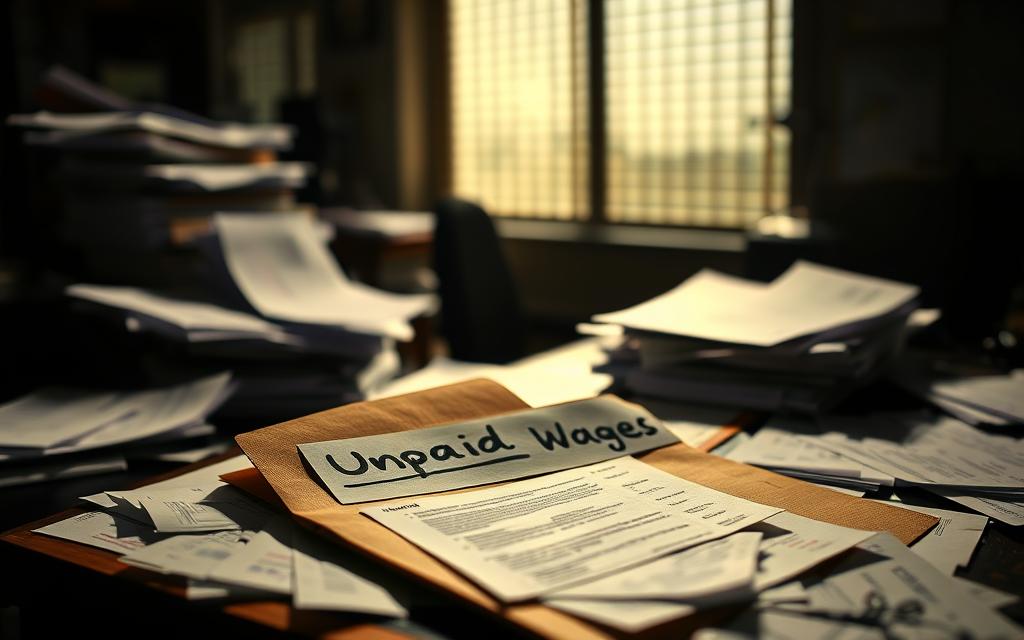
Workers who resign often face uncertainty about their final compensation. Federal law permits employers to issue final payments on the next regular payday, but state rules frequently demand faster action. California requires payment within 72 hours of quitting, while Texas allows six business days.
Legal Framework for Final Compensation
Unpaid wages include all earnings through your last workday. This covers hourly pay, overtime, and commissions earned before leaving. Some states mandate payout for accrued vacation time, while others let employers decide.
| State | Deadline (Voluntary Exit) | Accrued Benefits Paid |
|---|---|---|
| California | 72 hours | Yes |
| Texas | 6 days | No |
| New York | Next payday | Yes |
| Florida | No state law | Optional |
Documentation proves critical for resolving disputes. Save timesheets, email confirmations, and pay stubs from your final weeks. These records help calculate exact amounts owed if delays occur.
Seven states lack specific final payment laws, forcing reliance on employer policies. Always verify local regulations – your location determines available remedies for missing checks.
Common Reasons Employers Delay or Withhold Final Paychecks
Final wage disputes often stem from organizational shortcomings rather than legal misunderstandings. While most companies aim for timely payments, various factors can disrupt this process. Understanding these causes helps workers distinguish between honest mistakes and deliberate violations.
Administrative Oversights and Processing Delays
Many payment delays originate from routine operational hiccups. Common payroll system issues include:
- Missed termination notifications to HR departments
- Bank processing errors during direct deposit setups
- Incorrect calculation of overtime or unused PTO
Some companies process final payments through standard payroll cycles. If your departure coincides with cutoff dates, you might wait weeks for resolution. Seasonal businesses often face higher error rates during peak periods due to overwhelmed staff.
Intentional Withholding Issues
Malicious practices account for 23% of unpaid wage claims according to labor department data. Employers might withhold checks to:
- Recoup alleged equipment costs without proper documentation
- Pressure employees into signing separation agreements
- Retaliate for whistleblowing or complaints
California recently fined a tech startup $87,000 for systematically delaying payments to departing workers. Such tactics violate federal wage laws and often trigger additional penalties for employers.
Company payment policies significantly influence timelines. Organizations with decentralized payroll systems typically experience more delays than those using automated platforms. Always review your employer’s written procedures during onboarding to set accurate expectations.
Steps to Take When You Don’t Receive Your Last Paycheck
Missing your final earnings requires immediate action to protect your rights. Start by gathering evidence of hours worked and payment dates from your last pay period. This documentation forms the foundation for resolving disputes efficiently.
Contacting Your Employer
Begin with a polite inquiry to your supervisor or HR department. Many payment delays stem from administrative errors. Phrase your request professionally: “I’m following up on my final payment for [dates worked]—could you confirm its status?”
Put your inquiry in writing via email for a paper trail. Include:
- Exact dates of employment
- Hours worked during the final pay period
- Copies of relevant timesheets or contracts
Sending a Formal Written Request
If unresolved after seven days, send a certified demand letter. This formal action shows serious intent while creating legal evidence. Structure your letter with:
- Payment amount calculations
- A clear deadline (typically 3-5 business days)
- Consequences of non-payment
CC your state labor office on the correspondence when possible. Maintain copies of all communications—these become critical if you need to file a formal complaint later.
Escalate to government agencies if payments remain overdue. Most states allow online wage claims through their labor department portals. Provide identical documentation submitted to your employer to speed up investigations.
Involving the Department of Labor for Wage Recovery
When unresolved wage disputes arise, federal intervention becomes a critical step toward resolution. The Department of Labor (DOL) enforces wage laws through its Wage and Hour Division, offering formal pathways to recover unpaid earnings. This agency investigates violations and negotiates settlements on workers’ behalf.
When and How to File a Complaint
Approach the DOL after exhausting direct employer communication. File if payments remain missing past state deadlines or if employers refuse to address valid claims. The process involves three key stages:
- Submitting an online form through the WHD website
- Providing employment details and payment evidence
- Participating in investigator interviews
Prepare these materials before filing:
- Pay stubs showing unpaid amounts
- Records of hours worked during final pay periods
- Copies of termination notices or resignation emails
DOL investigations typically conclude within 60-90 days. Successful claims may recover back wages plus liquidated damages equal to unpaid amounts. Act quickly—most states impose 2-3 year limits on wage claims.
Keep copies of all submitted documents. Follow up weekly via the WHD’s toll-free line (1-866-4US-WAGE) for case updates. Federal intervention often resolves disputes without costly lawsuits, making this option vital for time-sensitive recoveries.
Seeking Assistance from an Employment Law Attorney
When unresolved payment issues persist, professional legal guidance becomes essential. Employment law specialists possess tools to break through bureaucratic stalemates and enforce your rights effectively.

Benefits of Legal Representation
Skilled attorneys decode complex labor regulations that govern wage disputes. They identify violations in both federal standards and state-specific rules, creating actionable strategies for recovery.
Legal professionals often secure faster resolutions through demand letters bearing law firm letterheads. These formal notices prompt 89% of employers to release payments within 72 hours according to recent labor studies.
For stubborn cases, attorneys file lawsuits seeking unpaid wages plus penalties. Many work on contingency fees—you pay only if they recover your earnings. This arrangement reduces financial risk while maximizing results.
When selecting counsel, prioritize lawyers with:
- Proven success in wage claims
- State-specific labor law expertise
- Transparent fee structures
Most initial consultations remain free, letting you assess options without obligation. Legal action timelines vary, but many cases settle within 45-90 days through negotiation.
Proactive Measures to Prevent Future Payment Issues
Securing timely payment starts with preventive strategies rather than reactive measures. Workers who establish organized systems for tracking earnings and agreements position themselves to resolve disputes quickly. These practices prove especially valuable when navigating complex payment structures or irregular work schedules.
Documenting Work Hours and Communications
Accurate records turn abstract claims into verifiable facts. Maintain digital or physical copies of:
- Daily time logs with start/end times
- Approved overtime requests
- Payroll discrepancy emails
Update these files weekly to avoid gaps. Cloud storage ensures access if employment ends abruptly. Screenshots of scheduling apps and saved text messages also strengthen claims during wage disputes.
Understanding Your Employment Agreement
Your contract dictates payment terms and benefit eligibility. Highlight clauses about:
- Final paycheck deadlines
- Commission structures
- Paid time off policies
Request written clarification for vague terms before signing. Employers must honor agreed-upon terms—ambiguous language often favors workers in legal interpretations. Review updates to company handbooks annually, as policies can change with 30 days notice in most states.
Set calendar reminders for pay days and contract renewal dates. Proactive documentation transforms potential conflicts into straightforward resolutions, saving hours of stress later. These habits create undeniable evidence if employers miss obligations.
Employer Obligations and Penalties for Unpaid Wages

Businesses must adhere to strict wage payment laws or face severe financial consequences. Federal regulations require employers to settle all earned compensation by the next regular payday, while state laws often impose tighter deadlines. Failure to comply triggers penalties that escalate daily in many jurisdictions.
Legal obligations include:
- Accurate calculation of hours worked and benefits accrued
- Timely payment based on separation type (voluntary vs involuntary)
- Clear documentation of wage deductions
States enforce these rules through daily fines. California charges waiting time penalties of up to 30 days’ wages for intentional delays. Colorado’s labor department issues fines starting at $50 per day through its wage claim process, plus potential criminal charges for repeat offenders.
New York applies triple damages for unpaid wages in some cases. A restaurant chain recently paid $240,000 in back wages and penalties after withholding final checks from 43 employees. These measures deter employers from exploiting workers during transitions.
Understanding these penalties empowers employees to demand fair treatment. Legal remedies exist not just to recover lost wages, but to hold companies accountable for payment practices. Documentation remains vital when proving violations to labor authorities.
Managing Delays on Your Next Scheduled Payday
Employers must issue final payments by your regular payday following separation in most states. If this deadline passes without payment, state labor departments consider it a wage violation. California imposes daily penalties equal to a full day’s earnings for each delay beyond the scheduled payday.
Three critical steps apply when facing missed payment dates:
- Confirm your state’s deadline using final paycheck laws by state
- Send a written reminder to payroll with payment calculations
- Document every communication attempt
Daily penalties escalate quickly in strict jurisdictions. New York allows triple damages for willful violations, while Texas adds 5% monthly interest on overdue amounts. These fines motivate most employers to resolve issues before the next scheduled payroll cycle.
Keep records of:
- Final timesheets with supervisor signatures
- Bank statements showing missing deposits
- Email chains requesting payment updates
Escalate to state labor boards if the next payday arrives without resolution. Forty-two states permit online wage claims, often processing cases within 30 days. Persistent delays may require small claims court filings to recover wages plus statutory penalties.
Conclusion
Resolving unpaid wage issues requires understanding your protections under labor laws. Federal rules set baseline standards, but state regulations often provide stronger timelines for receiving final payments. Employers must adhere to these requirements regardless of how employment ends.
Documentation serves as your strongest tool. Keep records of hours worked, pay stubs, and communication attempts. If payments delay, act quickly—first through polite employer inquiries, then formal complaints to labor departments when needed.
State-specific rules dictate penalties for non-compliance, including daily fines and potential lawsuits. Legal counsel becomes valuable when facing complex cases or employer retaliation. Most disputes resolve through structured processes without court intervention.
Remember: employers must issue earned wages by legally defined deadlines. Delays trigger escalating consequences under both federal and state systems. Protect your income by knowing local regulations and asserting rights promptly when issues arise.





Leave a Reply