


What if your next treasure hunt could land you in legal trouble? Many assume scavenging through discarded items is harmless, but the reality is far more complex. Understanding the rules around this activity requires navigating a maze of federal, state, and local regulations.
Retrieving items from trash bins, often called “dumpster diving,” walks a fine line between legality and trespassing. The Supreme Court case California v. Greenwood set a precedent: once waste reaches public spaces, it’s considered abandoned property. However, this doesn’t grant universal permission. Private property rights and municipal codes often override federal interpretations.
Florida’s stance hinges on factors like location and intent. Trespassing ordinances, sanitation rules, and business policies frequently dictate what’s allowed. Even if no explicit ban exists, law enforcement may issue citations for disorderly conduct or theft suspicions.
Key Takeaways
- Legality depends on property type (public vs. private) and local ordinances.
- Federal rulings don’t automatically override state or municipal laws.
- The California v. Greenwood case influences national standards.
- Penalties range from warnings to misdemeanor charges.
- Always verify site-specific regulations before scavenging.
Introduction to Dumpster Diving Culture and Practices
Could your next discovery come from someone else’s discarded items? Across the U.S., a growing community turns overlooked garbage into opportunity. This practice, often organized through digital platforms, blends sustainability with resourcefulness.
What It Means to Salvage Discarded Items
Scavenging through commercial or residential waste containers has many names. Urban foraging, junk picking, and salvage operations all describe retrieving usable items. Enthusiasts often target specific times—like after retail closing hours—to find untouched materials.
| Term | Focus | Common Targets |
|---|---|---|
| Urban Foraging | Food & reusable goods | Grocery stores, restaurants |
| Junk Picking | Furniture & appliances | Residential areas |
| Salvage Ops | Construction materials | Renovation sites |
Regional Patterns in the Sunshine State
Florida’s urban sprawl creates unique opportunities. Miami thrift groups share maps of high-yield areas, while Tampa collectors report finding brand-name electronics. Online forums highlight seasonal trends, like post-holiday furniture discards.
Attitudes vary widely. Some view this as eco-conscious living, while others criticize it as invasive. Local Facebook groups debate ethics, sharing safety tips and “best finds” stories. These discussions often reference municipal waste policies, hinting at deeper legal complexities.
Legal Framework: Federal, State, and Local Laws
Navigating scavenging regulations requires understanding three layers of jurisdiction. Federal rulings set broad standards, while state law and county ordinances add specific restrictions. This layered system creates a patchwork of rules across different regions.

The Impact of the California v. Greenwood Ruling
The 1988 Supreme Court decision reshaped trash-related privacy rights. Justices ruled that discarded materials lose Fourth Amendment protections once placed in public areas. This “no reasonable expectation of privacy” principle allows law enforcement to search curbside waste without warrants.
However, this federal case doesn’t override local regulations. Many states use the ruling as a baseline while adding their own limitations. For example, some require written consent from business owners before examining commercial waste containers.
County and City Ordinances Affecting Scavenging
Local laws frequently determine what’s permissible. Consider these regional differences:
| City | Regulation | Key Restrictions |
|---|---|---|
| Los Angeles | Permit required | No removal from compactors |
| Miami | Time-limited access | Ban in business zones |
| Seattle | Full prohibition | Fines up to $1,000 |
Waste management experts stress checking county websites for updates. Some areas classify scavenging as theft if containers sit on private property. Others ban it entirely for sanitation reasons.
Always verify local laws through official channels before attempting to retrieve discarded items. Municipal codes change frequently, and assumptions can lead to unexpected penalties.
is dumpster diving illegal in florida
The legality of scavenging through waste bins in Florida isn’t always clear-cut. While no statewide ban exists, overlapping rules create confusion. Municipal codes and property rights often determine what’s permissible.
Florida State Laws and Local Nuances
Local governments set most restrictions. Tampa enforces time limits for accessing commercial containers, while Orlando prohibits removal of electronics from recycling bins. A 2023 Miami case involved $500 fines for removing items marked as business waste.
| City | Regulation | Penalty |
|---|---|---|
| Miami | No commercial container access | $500 fine |
| Orlando | Recycling bin restrictions | Community service |
| Jacksonville | Time-limited scavenging | Warning then citation |
Trespassing and Private Property Considerations
Crossing locked gates or ignoring signs often leads to charges. Broward County prosecuted three individuals last year for bypassing “No Entry” warnings behind shopping centers. Property owners can press charges even without posted notices if containers sit within secured areas.
Security measures like coded entry systems increasingly protect waste areas. Always look for signage indicating ownership before attempting access. When in doubt, assume containers on business premises require explicit permission.
Dumpster Diving on Private vs. Public Properties
Where you search matters more than what you find. Public spaces like sidewalks often allow scavenging, but stepping onto private land changes everything. A single fence or sign can turn harmless exploration into criminal activity.
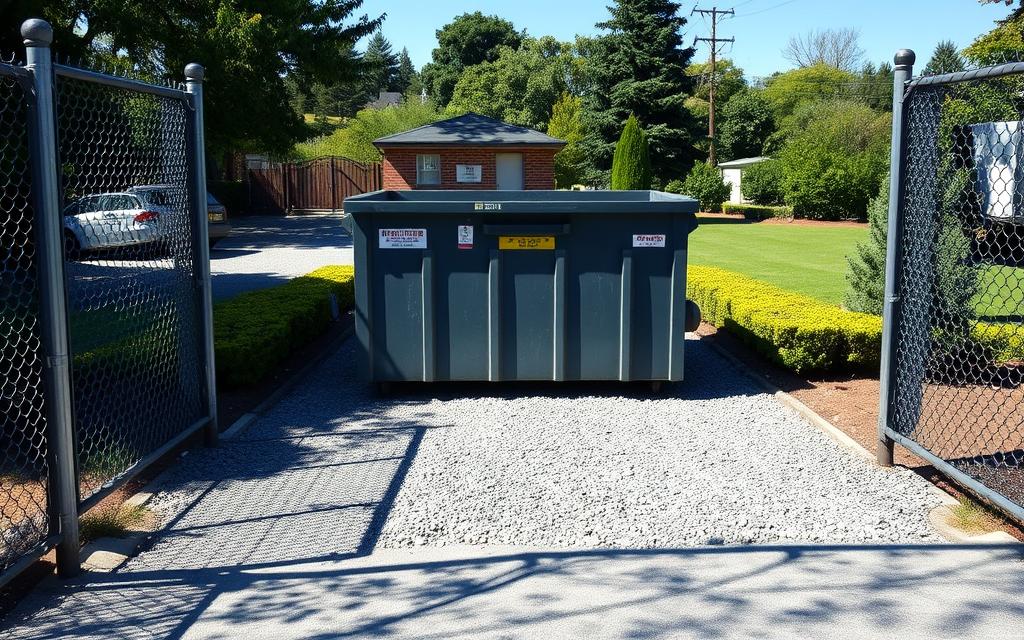
When Does Curiosity Become Trespassing?
Owners control access to their containers, even if unlocked. Courts consistently side with property rights – a 2022 Broward County case fined three individuals $750 each for bypassing gates behind a shopping plaza. Locked enclosures or posted warnings create clear legal barriers.
| Location Type | Common Rules | Typical Security |
|---|---|---|
| Storefronts | No after-hours access | Motion lights, cameras |
| Restaurants | Compact-only waste removal | Padlocks, staff checks |
| Gated Communities | Resident-only entry | Keycard systems, patrols |
How Businesses Protect Their Waste
Modern security goes beyond “No Trespassing” signs. Many companies use:
- Tamper-evident locks triggering alarms
- Time-stamped camera surveillance
- Waste service contracts claiming ownership
Retailers increasingly treat discarded items as potential assets. One national chain now resells returned goods previously marked for disposal. This shift blurs the line between trash and inventory, raising theft accusation risks.
Before searching any container, review local scavenging laws. Property owners should clearly mark restricted areas, while salvagers must respect boundaries. A quick conversation with managers often prevents legal headaches.
Safety, Risks, and Legal Consequences
Searching through waste containers isn’t just a legal gray area—it’s physically dangerous. Broken glass, chemical residues, and unstable debris create hidden threats many salvagers underestimate. Protective gloves and sturdy footwear become essential, not optional.

Potential Hazards and Injury Risks
Sharp metal edges and contaminated materials rank among top dangers. A Tampa hospital reported treating 14 scavengers last year for:
- Tetanus from rusted nails
- Chemical burns from leaking cleaners
- Respiratory issues from moldy waste
Food containers often harbor bacteria like E. coli, especially in Florida’s heat. One Sarasota case involved severe illness after consuming discarded produce left in 90°F conditions.
Legal Penalties and Preventative Strategies
Three Jacksonville residents faced misdemeanor charges last month for damaging a locked compactor. Consequences escalate quickly:
| Violation | Typical Penalty | Prevention Tip |
|---|---|---|
| Theft accusations | Up to $1,000 fine | Document permission slips |
| Disorderly conduct | Community service | Avoid nighttime searches |
| Property damage | Restitution payments | Use headlamps for visibility |
Businesses increasingly install motion-activated cameras near waste zones. Review Florida-specific legal guidelines before engaging in this activity. Many municipalities require written approval for accessing commercial garbage areas.
Conclusion
Scavenging through discarded materials walks a tightrope between resourcefulness and regulation. Federal rulings like California v. Greenwood create foundational guidelines, but local codes often rewrite the rules. Miami’s $500 fines for commercial container access prove ordinances vary widely across cities.
Always prioritize safety and respect boundaries. Trespassing charges frequently stem from ignoring signage or locked gates. Recent cases show law enforcement penalizes unauthorized access to business waste areas, even without posted warnings.
Key legal takeaways include:
- Verify municipal codes for time limits or banned zones
- Assume containers on private land require explicit permission
- Document communications with property managers
Protective gear reduces injury risks from sharp objects or contaminants. For ongoing practice, bookmark county websites and consult legal experts when unclear. While salvaging remains possible in public spaces, vigilance prevents costly mistakes.
Remember: What’s permissible in one neighborhood might warrant fines three blocks away. Stay informed, stay cautious, and let local statutes guide your actions.





Leave a Reply